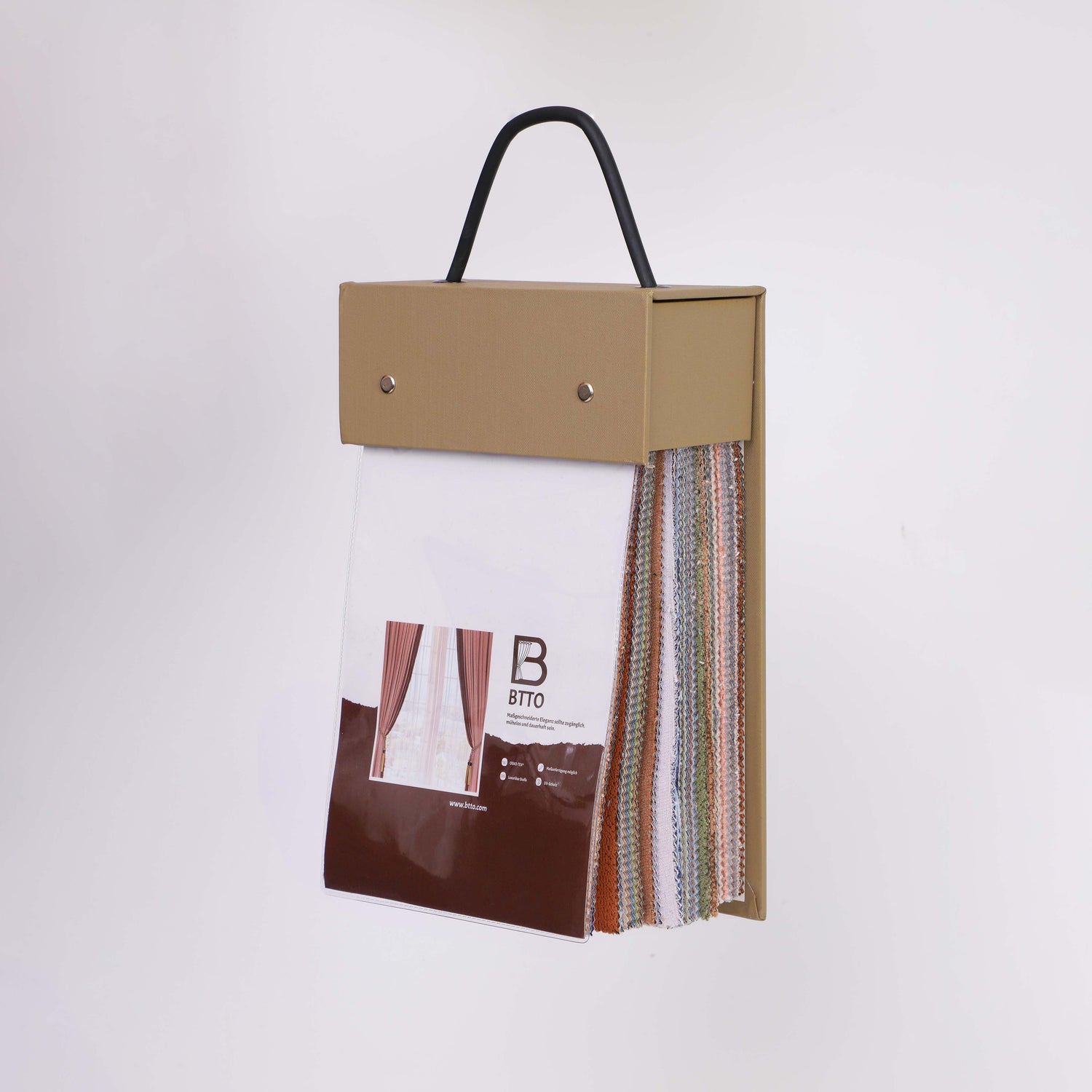




Thermal curtains in everyday life: How to keep your home warm and cozy
Retain warmth instead of adding more heat: Thermal curtains help to keep the room temperature stable, reduce drafts, and make surfaces feel noticeably warmer – especially during the heating season. With the right fabric choice, installation, and care, you can combine energy efficiency and comfort .

Why thermal curtains work
- Barrier against cold: Dense, multi-layered fabrics reduce convection at the window and form a warm buffer zone.
- Less draft: Side overhangs and low-lying edges noticeably reduce airflow.
- Warmer surfaces: Matte, thicker textiles reflect less cold – making the room feel more comfortable.
Modern thermal curtains are often made of dim-out or blackout fabric with a thermal backing. A semi-transparent in-between layer is recommended for daytime use; in the evening, the thermal outer layer provides the insulation.
Materials science: Heat, light & optics in balance
- Thermo-Dim-out: Densely woven, matte surface, good heat buffering; ideal for living and working spaces.
- Blackout curtain with thermal backing: Maximum darkening + strong insulation; perfect for the bedroom.
- Velvet (matt): Noticeable acoustic and thermal effect, sophisticated elegance – very comfortable as an outdoor layer.
- In-between position: Soft daylight without glare; complements the evening position in an energy-efficient manner.
Installation: How to close thermal bridges
- Ceiling-high and wall-wide: Mount flush at the top and allow to overhang at the sides (15–25 cm on each side) to minimize gaps at the edges.
- Double track: In-between inside, thermo-dim-out/blackout outside – light during the day, insulation in the evening.
- Floor finish per zone: In walkways, almost flush with the floor (“Kiss”), in quiet zones a smaller “Break” (2–3 cm) for a tight edge.
- Optional cover: Concealed technology reduces visibility and drafts at the top.

Room by room: how to use thermal curtains in everyday life
Living room: warm & open
Close the blinds during the day for glare-free light; close the thermal layer in the evening. A tone-on-tone color matching the wall (e.g., greige, sand) creates a calm and spacious feel. The combination with wood and travertine adds natural warmth.
Bedroom: dark & cozy
Blackout with thermal backing It creates darkness and warmth. Colors in medium natural tones (taupe, stone) are calming; matte surfaces minimize reflections.
Home Office: Focus & Comfort
Use the inner in-between shade to prevent glare; for longer calls, partially close the heavier outer shade – acoustically and thermally pleasant.

Energy & Everyday Life: Small Routines, Big Impact
- Timing: Close the thermal layer before dark, ventilate in the morning and use the daytime position.
- Reduce the load on the heating system: Regulate the flow temperature evenly to a lower level; thermal curtains help to retain this heat.
- Window check: Check seals; plan for side overhangs to cover gaps.

Measuring & Buying Quick Guide
- Height: Ceiling to floor; set kiss/break depending on the zone.
- Width: Window opening + 15–25 cm overhang on each side; for wall-to-wall installations, use the full width.
- Fold pattern: Calm wave pleats (2.0–2.3 times fabric allowance) for dense, even surfaces.
- Layering: Inbetween inside, Thermo outside – 24/7 comfort.
Care: Maintain performance, preserve appearance
- Gentle wash: Low temperature and low spin speed; hang to dry, reshape creases by hand.
- Dust & lint: Shake/vacuum regularly; brush velvet gently.
- Ventilation: Regularly dry condensation zones on the window to keep the material fresh in the long term.
Common Mistakes & Quick Solutions
- Planned too narrowly: Side gaps for light/cold – plan for generous overhangs.
- Single layer for north/corner windows: Double layer (Inbetween + Thermo) is better for noticeably more comfort.
- Glossy surfaces: Increase reflections; matte finishes are preferable.
Checklist: Your Thermo Setup
- [ ] Double track: inner Inbetween, outer Thermo
- [ ] Ceiling height, 15–25 cm overhang on the sides
- [ ] Kiss/Break defined according to zone
- [ ] Matte, dense fabrics in calm, natural tones
- [ ] Care instructions (gentle wash, hang to dry)