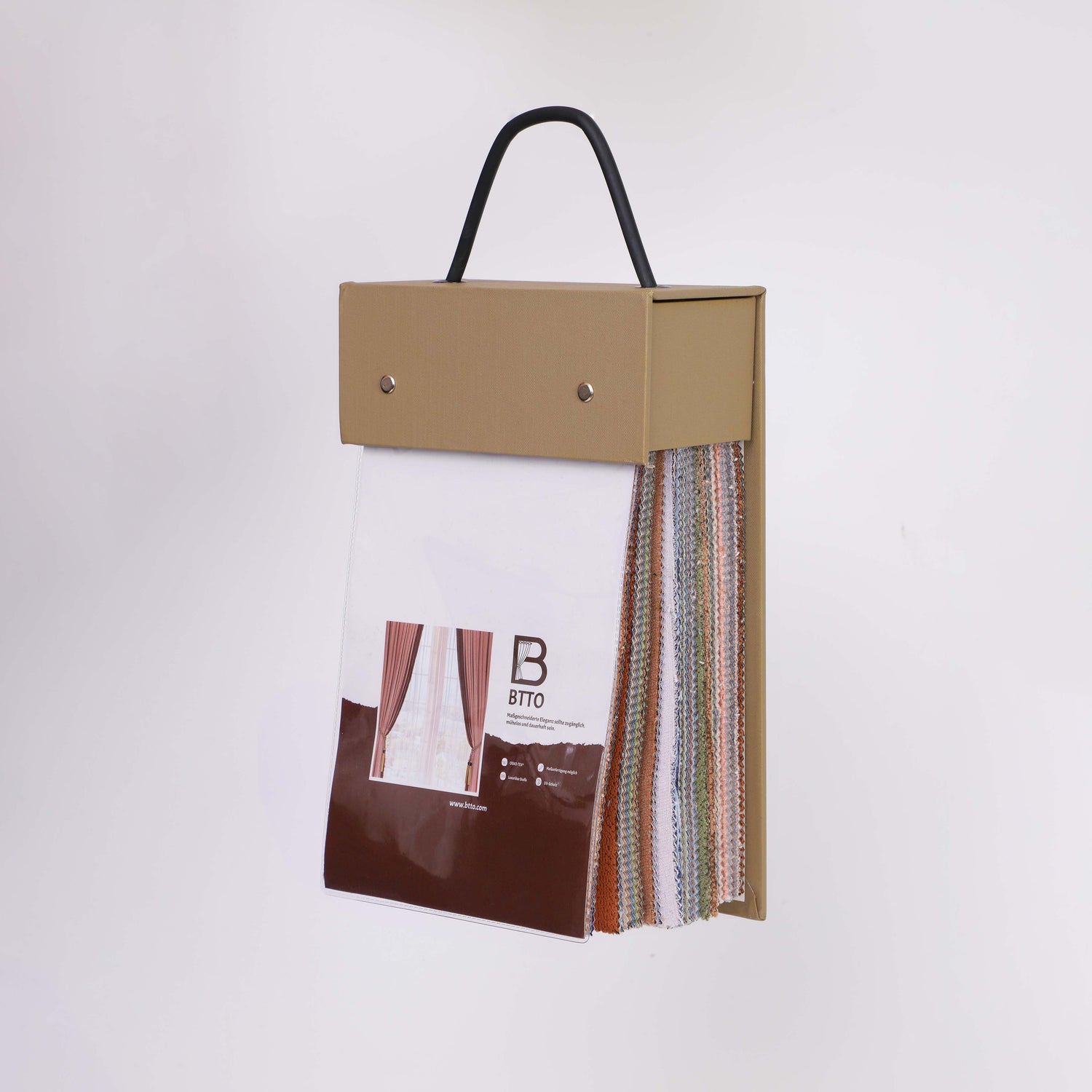




Choosing the right fabric for curtains: Materials at a glance
Curtains and drapes not only shape the mood of a room, but also determine functionality and comfort. They provide privacy, regulate light, and add stylish accents. A crucial factor in the selection is the material . The right fabric ensures elegance and function; the wrong one can detract from the overall impression. In this guide, we present the most popular curtain fabrics and help you find the right material for your home.
1. Cotton
Cotton is versatile, breathable, and easy to care for—a true all-rounder. It's suitable for almost any room and is available in various weaves, from sheer to heavyweight.
- Advantages: Affordable, easy to clean, wide range of colors and patterns
- Disadvantages: Prone to creases, can fade in strong sunlight
- Ideal for: living rooms, bedrooms, kitchens
2. Linen
Linen impresses with its natural texture and timeless elegance. The fabric allows light to softly shine through, creating a warm, inviting atmosphere.
- Advantages: Durable, sustainable, elegant look
- Disadvantages: Prone to creasing, often only professional cleaning possible
- Ideal for: living room, dining room, rooms with modern or rustic style
3. Silk
Silk represents pure luxury. Its elegant sheen adds sophistication to any room—but the fabric is delicate.
- Advantages: Elegant case, luxurious look, beautiful lighting effect
- Disadvantages: Expensive, light-sensitive, difficult to clean
- Ideal for: Formal living rooms, master bedrooms, representative rooms
4. Polyester
Polyester is durable, inexpensive, and easy to care for. It is often blended with other fabrics to improve texture and appearance.
- Advantages: Wrinkle-free, colorfast, budget-friendly
- Disadvantages: Less breathable, not as elegant as natural materials
- Ideal for: Children's rooms, hallways, frequently used rooms
5. Velvet
Velvet represents opulence and coziness. It's heavy, insulates well, and effectively blocks light.
- Advantages: Heat-insulating, opaque, luxurious feel
- Disadvantages: Heavy, difficult to clean, higher price
- Ideal for: bedrooms, home theaters, elegant living rooms
6. Transparent fabrics (voile, organza)
Light, translucent fabrics allow daylight into the room without completely sacrificing privacy.
- Advantages: Airy, elegant, perfect for combining
- Disadvantages: Little privacy, hardly any insulation
- Ideal for: living rooms, conservatories, bright rooms
7. Blackout fabrics
These special fabrics block out light almost completely and are therefore ideal for bedrooms.
- Advantages: Maximum blackout, energy saving, high privacy
- Disadvantages: Heavy fabric quality, less decorative
- Ideal for: bedrooms, children's rooms, media rooms
8. Tip
Lace curtains bring vintage charm and romance into the home. They are decorative and playful.
- Advantages: Fine patterns, translucent, nostalgic
- Disadvantages: Sensitive, difficult to clean, hardly any privacy
- Ideal for: bedrooms, bathrooms, romantic interior styles
Tips for choosing the right fabric
- Consider the function of the room: bedrooms need blackout blinds, living rooms prefer lighter fabrics.
- Plan for care: Cotton or polyester are easy to care for, while silk is more delicate.
- Consider the interior design style: Materials should complement the furniture and color scheme.
- Feel the fabric in person: Weight, structure and drape can only be properly assessed in person.
Choosing the right curtain fabric is crucial for the comfort and impact of a room. Whether it's the naturalness of linen, the elegance of silk, or the everyday practicality of polyester – there's a suitable material for every need. With the right selection, you combine style, functionality, and well-being, creating a home that reflects your personal vision.