



Sustainable Living: How Eco-Friendly Design Makes Your Home More Environmentally Conscious
A sustainable home rarely begins with a complete renovation – but rather with many small, conscious decisions. Eco-friendly design starts precisely here: materials, energy consumption, air quality, and resource conservation play a central role.
While demolition work often wastes energy and resources unnecessarily, sustainable design takes a different approach: utilizing existing materials, reducing environmental impact, and creating spaces that are healthy and durable. In interior design, this means, for example, using recycled or low-emission materials, less energy waste, and a natural, comfortable living style.
Fresh walls: paint or wallpaper – but environmentally friendly
A new wall design can work wonders: it refreshes the room, improves the ambiance, and can even contribute to better air quality. Especially important: pay attention to low-VOC or VOC-free paints . They reduce pollutants in the indoor air and prevent unpleasant odors.
Sustainable wallpapers are also making a comeback. Recycled wallpapers or versions made from natural materials such as jute, grass fibers or cellulose give walls structure and warmth – without harming the environment.

Window decoration for better energy efficiency
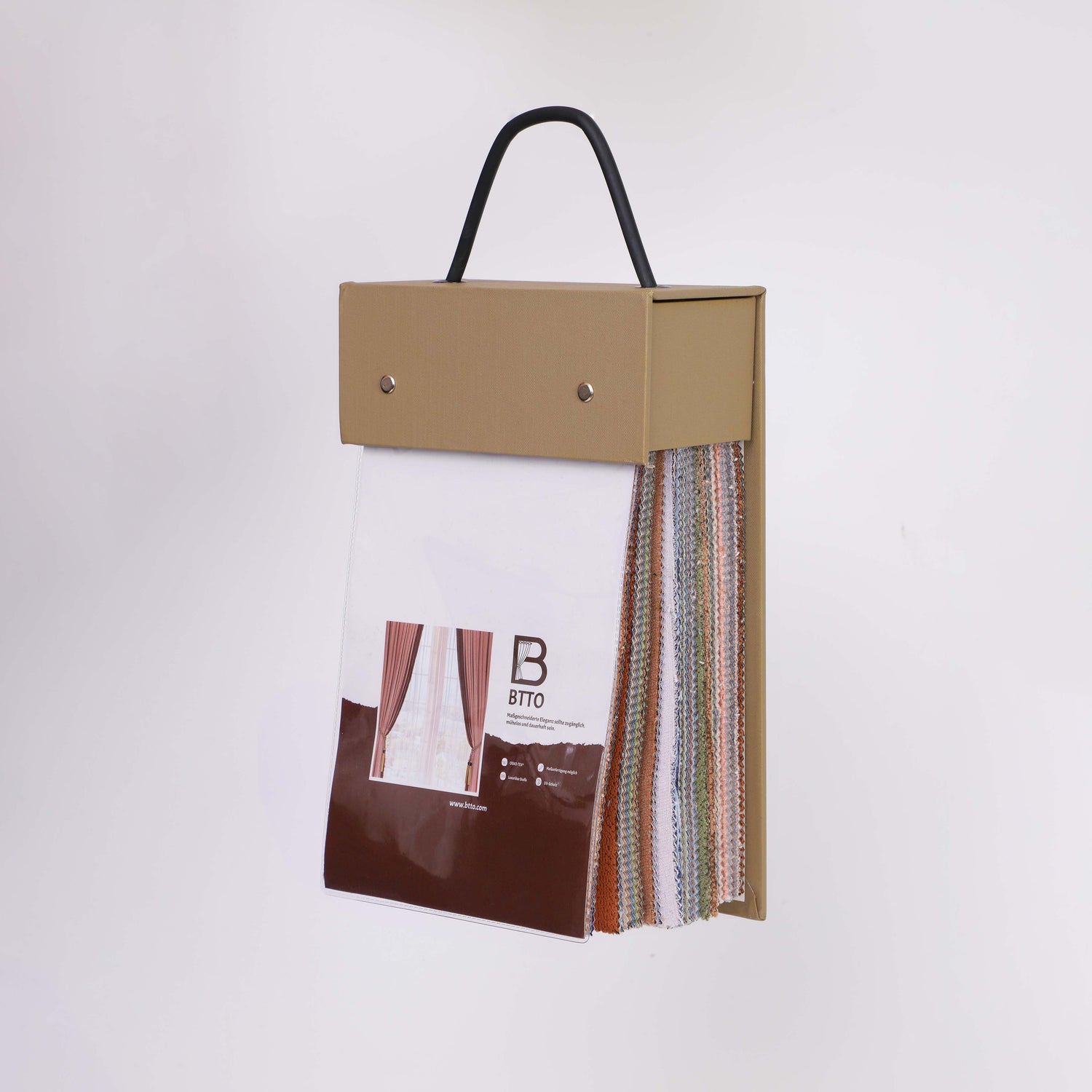
Sustainability also means saving energy. Curtains and Roman blinds can contribute significantly to this: they improve insulation, keep heat in during the winter, and protect against heat in the summer. Fabrics made from natural fibers such as linen or cotton blends, as well as fabrics made from recycled polyester, are environmentally friendly options.
The side effect: The room immediately appears cozier, more elegant and "finished" – and at the same time unnecessary energy loss is minimized.

LED lighting: Small change, big impact
Switching to LEDs is one of the simplest steps towards sustainability. LEDs consume significantly less energy, last up to ten years, and generate very little heat.
- Dimmable for flexible lighting mood
- Smart home compatible for automatic control
- High efficiency – ideal for every household
This small change not only saves on electricity costs, but also makes the home more comfortable and modern.

Reuse furniture instead of throwing it away.
Upcycling and repairing are becoming increasingly popular in Germany – and for good reason. Repainting furniture, treating it with low-VOC lacquers, or reupholstering it is not only sustainable but often also cheaper than buying new.
For those who don't want to do it themselves: Well-preserved furniture can be donated or resold, thus getting a second life.

Sustainable renovation: step by step
When renovations are necessary, it's worth considering sustainable options. These include:
- Recycled wood or certified parquet alternatives
- Upcycled tiles or reused natural stone slabs
- Modern windows with double glazing for better insulation
- Durable materials that do not need to be replaced regularly
Such measures not only improve energy efficiency, but also increase living comfort in the long term.

Conclusion: Sustainability arises from conscious decisions.
An eco-friendly home doesn't have to be expensive or complicated. Even small adjustments – low-emission paints, LED lighting, sustainable curtains, or upgrading existing furniture – help conserve resources and create a healthier living environment.
Eco-friendly design means creating spaces that feel natural, are beneficial and bring lasting joy – for you and for the environment.
